
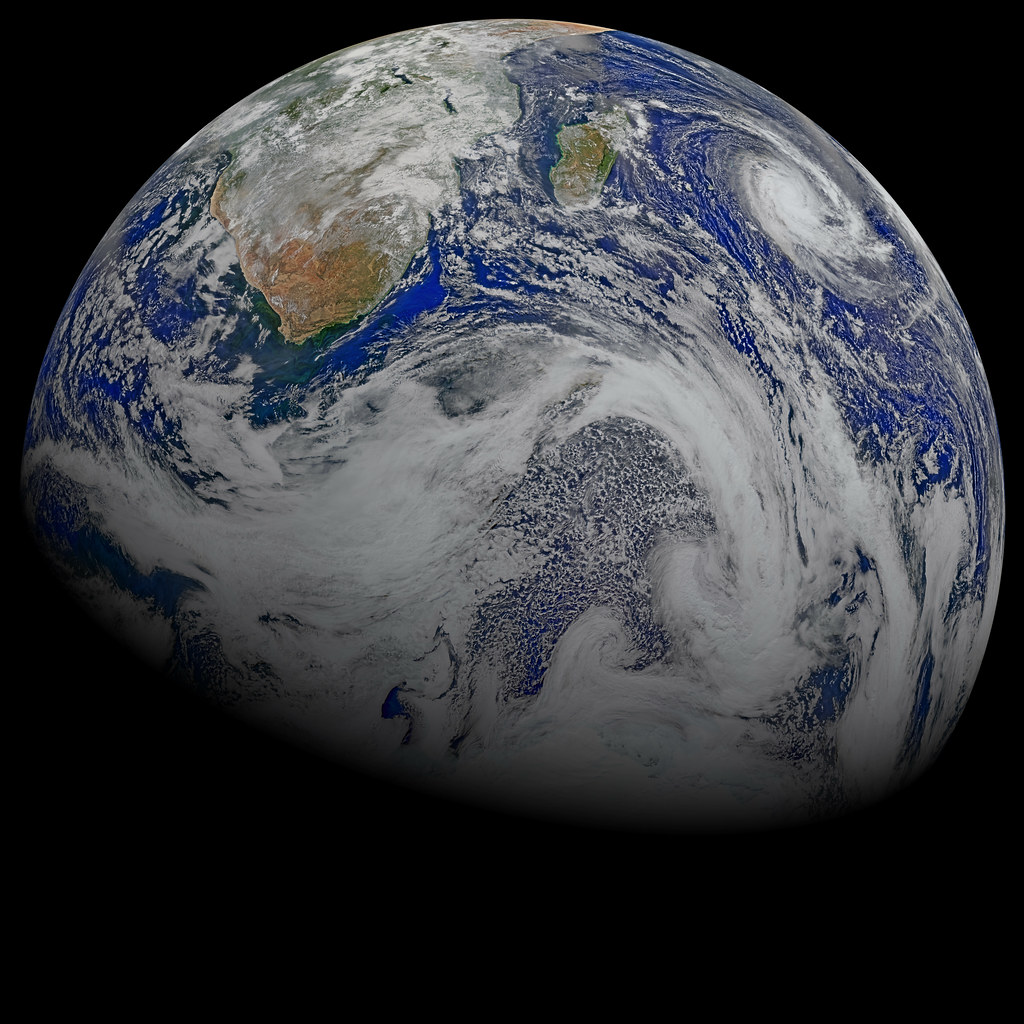
The Hands of Creation: Held, Formed, and Intentionally Made
From the very first pages of Scripture, God is revealed not as distant or detached, but as deeply involved. Creation is not spoken into existence carelessly or mechanically; it is shaped, ordered, and sustained by the hands of God. The biblical language itself invites us to imagine a Creator who is personal, attentive, and purposeful—One who forms rather than merely functions.
“The heavens declare the glory of God; the skies proclaim the work of his hands” (Psalm 19:1). This imagery matters. Hands imply nearness. They suggest intention, care, and relationship. God’s hands do not create randomly; they create meaningfully.
Created with Intention, Not Accident
Genesis opens with rhythm and structure—light separated from darkness, land from sea, life from lifelessness. Each act of creation is deliberate. Humanity, however, is formed differently. While the rest of creation is spoken into existence, humanity is shaped. God stoops, forms, breathes, and declares creation “very good” (Genesis 1:31).
This distinction matters. It tells us something about our identity. We are not an afterthought or a cosmic coincidence. We are intentionally formed by a Creator who cares deeply about what He makes. To be created by God’s hands is to be known before we ever knew ourselves.
In a culture that often treats people as products or problems to be managed, Scripture reminds us that we are works of divine craftsmanship. Our worth does not come from productivity, perfection, or performance—it comes from being formed by God.
The Imprint of the Image-Bearer
Being made in the image of God means more than having intellect or moral awareness. It means we reflect something of the Creator’s nature. Creativity, stewardship, relationality, and responsibility are woven into who we are. We create because we were created. We build because we were formed. We nurture because we were first cared for.
God’s hands of creation did not stop moving in Genesis. They continue to shape lives, call vocations, restore brokenness, and bring beauty from chaos. Even after the fall, God remains committed to His creation—not abandoning it, but pursuing redemption.
Seeing Creation as Sacred
When we recognize God as Creator, it changes how we see the world. Creation becomes more than scenery; it becomes sacred space. The natural world points beyond itself to the One who formed it. People become more than obstacles or tools; they become bearers of God’s image.
Stewardship flows naturally from this perspective. If God formed creation with care, then how we treat it matters. Caring for the earth, honoring one another, and cultivating beauty are not optional add-ons to faith—they are responses to the Creator’s design.
Resting in the Hands That Made You
Perhaps the most comforting truth in the hands of creation is this: the same hands that formed the universe also formed you. Your life is not held together by chance, but by divine intention. Even in seasons of uncertainty, loss, or reformation, God remains the skilled Creator—able to reshape, restore, and renew.
Isaiah reminds us, “Yet you, Lord, are our Father. We are the clay, you are the potter; we are all the work of your hand” (Isaiah 64:8). Clay does not shape itself. It yields. It trusts the potter.
The hands of creation invite us to do the same.
To reflect on the hands of creation is to be invited into worship, humility, and trust. It is a call to slow down, to notice God’s fingerprints in the world around us, and to remember that our lives are not self-made stories but God-formed ones.
We are held, shaped, and sustained by the Creator who still delights in His work—and who is not finished yet.
Discover more from Coenology
Subscribe to get the latest posts sent to your email.
 Coenology
Leave a comment